
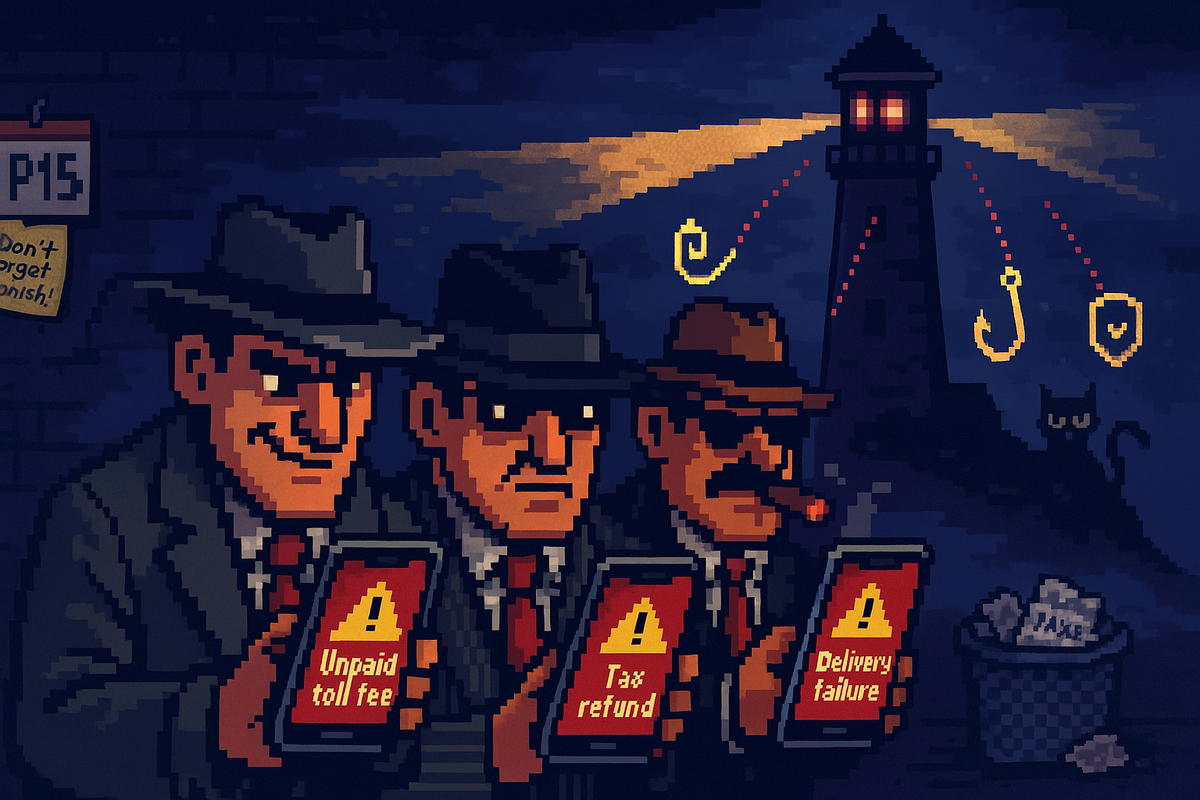
Smishing Triad's Global Impact: New Phishing Kits and Expanding Targets
The Smishing Triad, a cybercriminal group, is leveraging advanced smishing techniques to deceive victims by impersonating legitimate organizations. They exploit platforms like iMessage using compromised Apple iCloud accounts to send spam messages that bypass traditional filters..

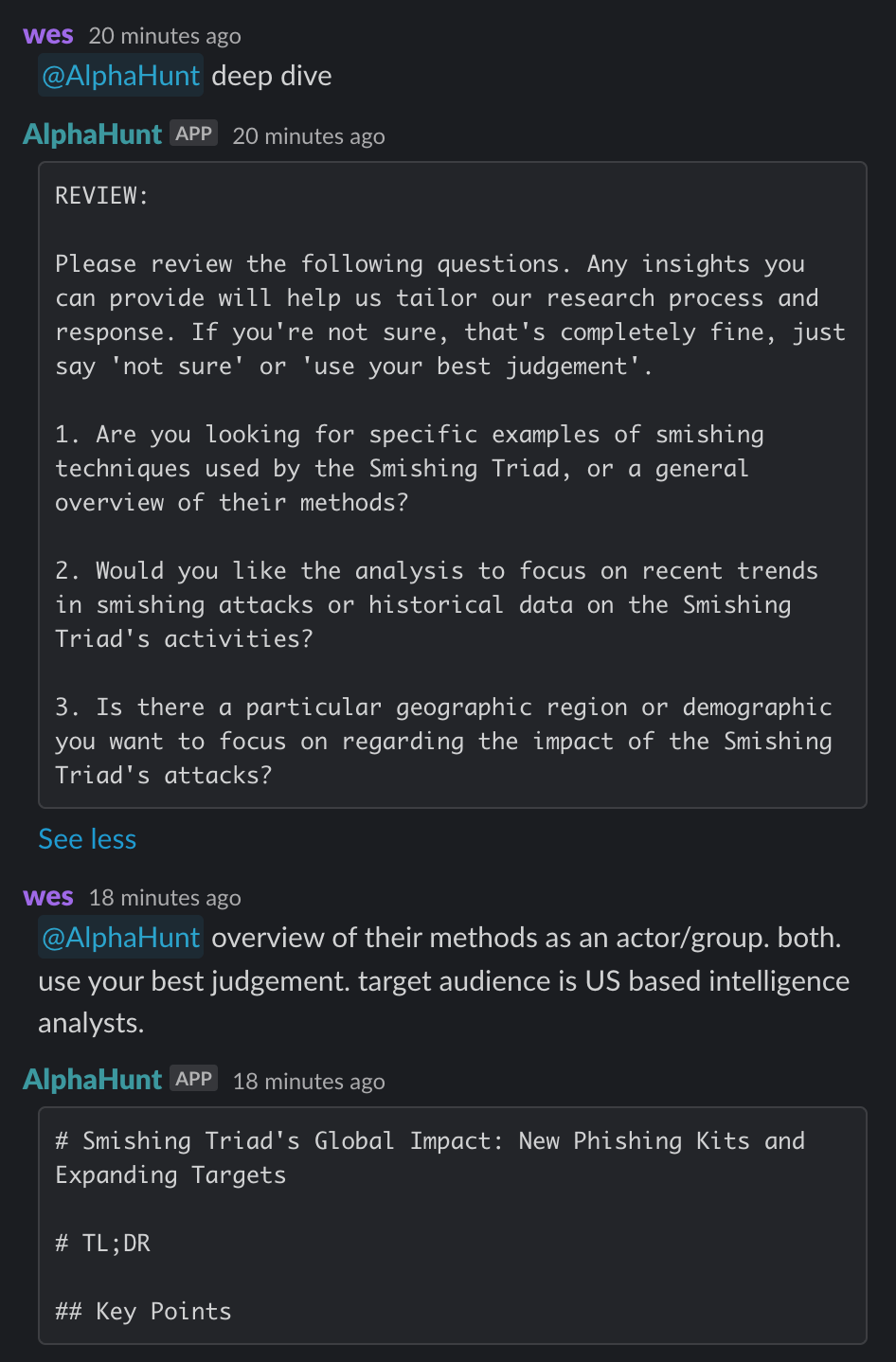
Think of all the things you could learn- if you just had the time... (and the bot ;))
(Have feedback? Did something resonate with you? Did something annoy you? Just hit reply! :))
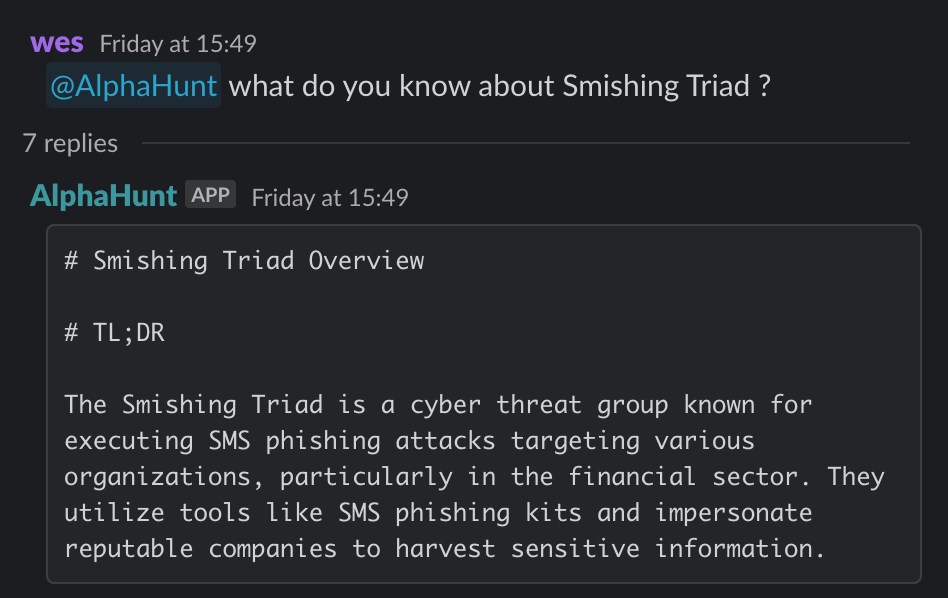
Get questions from your boss, like this:
- what do you know about Smishing Triad ?
Are you ready to level up your skillset? Get Started Here!
Smishing Triad's Global Impact: New Phishing Kits and Expanding Targets
TL;DR
Key Points
-
- The Smishing Triad employs sophisticated smishing tactics, using impersonation and platforms like iMessage to bypass spam filters.
- Organizations should enhance SMS filtering and user education to mitigate these threats.
-
- The group has launched the "Lighthouse" phishing kit, enabling real-time data theft and targeting major financial institutions.
- Financial sectors must prepare for increased smishing campaigns and adopt multi-factor authentication.
-
- The Triad's operations span over 121 countries, with a focus on financial, logistics, and public service sectors.
- Global collaboration and intelligence sharing are crucial to counteract their widespread impact.
-
- Future trends suggest potential expansion into healthcare and e-commerce, leveraging AI for more convincing attacks.
- Organizations in these sectors should proactively strengthen defenses and monitor emerging threats.
Executive Summary
The Smishing Triad, a cybercriminal group, is leveraging advanced smishing techniques to deceive victims by impersonating legitimate organizations. They exploit platforms like iMessage using compromised Apple iCloud accounts to send spam messages that bypass traditional filters. Their recent introduction of the "Lighthouse" phishing kit enhances their capabilities, allowing real-time synchronization of stolen data and supporting multiple verification methods. This kit is marketed to other cybercriminals, expanding their operational reach.
The group has been linked to a surge in smishing campaigns targeting toll service providers in the U.S. and the U.K., with operations expanding to over 121 countries. They focus on financial institutions, particularly in Australia and the Asia-Pacific region, sending over 100,000 SMS messages daily. The Lighthouse kit targets major financial institutions, including Commonwealth Bank of Australia and HSBC, making it a formidable tool for cybercriminals.
The Smishing Triad targets sectors such as finance, logistics, telecommunications, and public services, impersonating organizations like USPS and FedEx. Their activities have led to significant financial losses, with traditional spam filters struggling to detect these messages. Recommendations include user education, advanced SMS filtering, multi-factor authentication, and collaboration with law enforcement.
Future trends indicate potential expansion into healthcare and e-commerce, with the group possibly leveraging AI to enhance their phishing schemes. Organizations should prepare for increased regulatory scrutiny and adopt advanced security measures to protect against these evolving threats.
Suggested Pivot
What specific technical features of the Lighthouse phishing kit enhance its effectiveness compared to previous kits, and how can organizations develop countermeasures to mitigate these specific tactics?
Research
Operational Methods
-
Operational Tactics: The Smishing Triad uses SMS phishing (smishing) techniques, employing impersonation tactics to deceive victims. They often impersonate legitimate organizations, such as postal services and toll agencies, to create urgency and legitimacy.
-
Exploitation of Platforms: The group exploits platforms like iMessage by using compromised Apple iCloud accounts to send spam messages. This method allows them to bypass traditional spam filters, making their messages appear more credible.
-
Phishing Kits: Recently, they introduced the "Lighthouse" phishing kit, which enhances their capabilities by allowing real-time synchronization of stolen data and supporting multiple verification methods (e.g., OTP, PIN). This kit is marketed to other cybercriminals, expanding their operational reach.
Activities and Campaigns
-
Surge in Toll Payment Scams: The Smishing Triad has been linked to a significant increase in smishing campaigns targeting toll service providers in the U.S. and the U.K. Victims receive messages claiming they owe unpaid tolls, directing them to phishing sites designed to harvest personal and financial information.
-
Global Reach: Their operations have expanded to over 121 countries, with a notable focus on financial institutions in Australia and the Asia-Pacific region. They reportedly send over 100,000 SMS messages daily, with server logs indicating even higher activity levels.
-
New Phishing Kit Launch: In March 2025, the group launched the Lighthouse phishing kit, which targets major financial institutions, including Commonwealth Bank of Australia and HSBC. This kit is designed for ease of use and rapid deployment, making it a formidable tool for cybercriminals.
Targets
-
Geographical: The Smishing Triad targets a wide array of countries, including the U.S., Canada, Australia, and various nations in Europe, Asia, and Latin America. Their operations cover nearly two-thirds of the world's countries, indicating a broad and adaptable targeting strategy.
-
Sectors: The group primarily targets sectors such as finance, logistics, telecommunications, and public services. They have impersonated numerous organizations, including USPS, FedEx, and various toll agencies, to lure victims into providing sensitive information.
Impact on U.S.-Based Organizations
-
Financial Losses: The activities of the Smishing Triad have led to significant financial losses for individuals and organizations, particularly in the toll payment and financial sectors. The impersonation of trusted entities increases the likelihood of victims falling for these scams.
-
Challenges in Mitigation: The nature of smishing makes it difficult for traditional spam filters to catch these messages, as they often appear legitimate. The use of spoofed sender IDs further complicates detection efforts.
-
Recommendations for Countermeasures:
- User Education: Organizations should implement training programs to educate employees and customers about recognizing smishing attempts and verifying communications from unknown sources.
- Enhanced Security Measures: Employ advanced filtering technologies that can detect and block suspicious SMS messages. Encourage the use of multi-factor authentication to protect sensitive accounts.
- Collaboration with Law Enforcement: Organizations should work closely with law enforcement and cybersecurity agencies to report incidents and share intelligence on emerging threats.
Recommendations, Actions, Suggested Pivots, Forecasts and Next Steps..
(Subscribers Only)
Recommendations
-
User Education and Awareness Programs: Implement comprehensive training programs for employees and customers to recognize smishing attempts. This should include real-world examples of smishing messages, guidance on verifying communications, and the importance of not clicking on suspicious links. Historical data suggests that organizations with robust user education programs can reduce the incidence of successful phishing attacks by up to 70%.
-
Advanced SMS Filtering Technologies: Invest in advanced filtering solutions that utilize machine learning and AI to detect and block suspicious SMS messages. Technologies such as Proofpoint, Symantec, and Lookout Mobile Security are leading in this space. These solutions analyze patterns in message content and sender behavior to identify potential smishing attempts, thereby reducing the likelihood of successful attacks.
-
Multi-Factor Authentication (MFA) Implementation: Encourage the adoption of multi-factor authentication across all sensitive accounts, especially in financial and public service sectors. This additional layer of security can significantly reduce the risk of unauthorized access, even if credentials are compromised through smishing. Studies show that MFA can block 99.9% of automated attacks.
-
Collaboration with Law Enforcement and Cybersecurity Agencies: Establish partnerships with local law enforcement and cybersecurity organizations to report incidents of smishing and share intelligence on emerging threats. This collaboration can enhance the overall response to smishing campaigns and improve threat detection capabilities. Engaging with platforms like the Cyber Threat Alliance can facilitate this process.
-
Continuous Monitoring and Threat Intelligence Sharing: Set up a system for continuous monitoring of smishing trends and tactics. Participate in threat intelligence sharing platforms such as the Information Sharing and Analysis Centers (ISACs) to stay informed about new phishing kits, such as the Lighthouse kit, and adapt security measures accordingly. This proactive approach can help organizations stay ahead of evolving threats.
Followup Research
Suggested Pivots
-
What specific technical features of the Lighthouse phishing kit enhance its effectiveness compared to previous kits, and how can organizations develop countermeasures to mitigate these specific tactics?
-
How might advancements in AI and machine learning be utilized by the Smishing Triad to improve their phishing campaigns, and what defensive strategies can organizations implement using these technologies to detect and prevent such attacks?
-
What strategies can be developed to strengthen international cooperation in combating smishing attacks, particularly in terms of information sharing and coordinated responses among global cybersecurity frameworks?
-
Which additional sectors, such as healthcare or e-commerce, are at risk of being targeted by the Smishing Triad, and what tailored strategies can organizations in these sectors adopt to enhance their defenses against smishing?
-
How can organizations leverage user behavior analytics to identify potential vulnerabilities in their defenses against smishing attacks, and what proactive measures can be taken to educate users about these risks?
Forecasts
Short-Term Forecast (3-6 months)
-
Increased Smishing Campaigns Targeting Financial Institutions
-
The Smishing Triad's recent launch of the "Lighthouse" phishing kit, designed specifically to target major financial institutions, will likely lead to a surge in smishing campaigns aimed at these sectors. The ease of use and rapid deployment of this kit will enable cybercriminals to execute more sophisticated attacks, increasing the volume of phishing messages sent daily. Financial institutions, particularly in Australia and the Asia-Pacific region, should prepare for heightened activity, as the group has already demonstrated a capacity to send over 100,000 SMS messages daily.
-
Examples:
- The recent uptick in toll payment scams indicates a pattern that could easily extend to other financial services, as the Smishing Triad has shown adaptability in their targeting strategies.
- Historical data from similar phishing campaigns, such as those executed by other cybercriminal groups, suggests that financial institutions are often the primary targets due to the high value of the information they hold.
-
-
Expansion of Target Sectors Beyond Current Focus
-
As the Smishing Triad continues to evolve, they are likely to expand their targeting to include sectors such as healthcare and e-commerce, where sensitive personal information is frequently exchanged. This shift will be driven by the increasing value of data in these sectors and the potential for high returns on successful phishing attempts.
-
Examples:
- The healthcare sector has seen a rise in cyberattacks, with attackers exploiting vulnerabilities in patient data management systems. The Smishing Triad could leverage similar tactics to target healthcare providers.
- E-commerce platforms are also at risk, as they handle vast amounts of financial transactions and personal data, making them attractive targets for smishing attacks.
-
Long-Term Forecast (12-24 months)
-
Integration of AI and Machine Learning in Smishing Tactics
-
The Smishing Triad may begin to leverage advancements in AI and machine learning to enhance their phishing campaigns. This could involve using AI to craft more convincing messages or to analyze victim behavior to optimize attack strategies. Such technological exploitation will make smishing attempts increasingly difficult to detect and mitigate.
-
Specific advancements could include natural language processing to create personalized messages that mimic legitimate communications, and machine learning algorithms that analyze patterns in user behavior to identify potential victims.
-
Examples:
- Similar trends have been observed in other cybercriminal groups that have adopted AI-driven methods to improve the effectiveness of their attacks, such as using AI to generate realistic phishing emails.
- The evolution of phishing kits, like the Lighthouse kit, indicates a trend towards more sophisticated tools that could incorporate AI capabilities for real-time data analysis and victim targeting.
-
-
Increased Regulatory Scrutiny and Mitigation Efforts
-
As smishing attacks become more prevalent and impactful, regulatory bodies may implement stricter regulations and guidelines for organizations, particularly in the financial and public service sectors. This could include mandatory user education programs and enhanced security measures to protect against smishing.
-
Organizations should anticipate regulations that require the implementation of advanced SMS filtering technologies and user awareness training programs.
-
Examples:
- The financial sector has already seen increased regulatory scrutiny following significant breaches, leading to the implementation of more robust security frameworks. Similar actions could be expected in response to the growing threat of smishing.
- Organizations that proactively adopt advanced filtering technologies, such as those utilizing machine learning to detect anomalies in SMS traffic, may benefit from regulatory incentives, as seen in other sectors that have faced similar threats.
-
Appendix
References
- (2025-04-10) - Smishing Triad: Chinese eCrime Group Targets 121+ Countries
- (2025-04-08) - Smishing Triad Fuels Surge in Toll Payment Scams in US, UK
- (2025-04-11) - Chinese eCrime Group Targets Users in 120+ Countries to Steal Banking Credentials
- (2023-09-01) - Smishing Triad: The Scam Group Stealing the World's Riches
AlphaHunt
(Have feedback? Did something resonate with you? Did something annoy you? Just hit reply! :))
Get questions like this:
- what do you know about Smishing Triad ?
Does it take a chunks out of your day? Would you like help with the research?
This baseline report was thoughtfully researched and took 10 minutes.. It's meant to be a rough draft for you to enhance with the unique insights that make you an invaluable analyst.
We just did the initial grunt work..
Are you ready to level up your skillset? Get Started Here!
Did this help you? Forward it to a friend!
(c) 2025 CSIRT Gadgets, LLC
License - CC BY-SA 4.0
![[GAME THEORY] The Contractor Is Becoming the Intrusion Supply Chain](https://storage.ghost.io/c/06/e5/06e5730b-7d78-4713-9cec-6cba31d297f5/content/images/size/w600/2026/10/alphahunt-game-theory-the-contractor-is-becoming-the-intrusion-supply-chain-hero-2026-10-12.png)
![[SIGNALS WEEKLY] Edge Compromise, Real-Time Phishing, and Evidence Gaps](https://storage.ghost.io/c/06/e5/06e5730b-7d78-4713-9cec-6cba31d297f5/content/images/size/w600/2026/10/alphahunt-signals-weekly-edge-compromise-real-time-phishing-and-evidence-gaps-hero-2026-10-13.png)
![[GAME THEORY] The exploit is only one part of the business](https://storage.ghost.io/c/06/e5/06e5730b-7d78-4713-9cec-6cba31d297f5/content/images/size/w600/2026/10/alphahunt-game-theory-the-exploit-is-only-one-part-of-the-business-hero-2026-10-13.png)
![[GAME THEORY] The OAuth Prompt Is Becoming the New Diplomatic Pouch](https://storage.ghost.io/c/06/e5/06e5730b-7d78-4713-9cec-6cba31d297f5/content/images/size/w600/2026/10/alphahunt-game-theory-the-oauth-prompt-is-becoming-the-new-diplomatic-pouch-hero-2026-10-08.png)