[DEEP RESEARCH] Silent Lynx and the Intelligence Value of Water
Resource-themed espionage is not proof of industrial access. Protect the planning data—and know what would change the assessment.

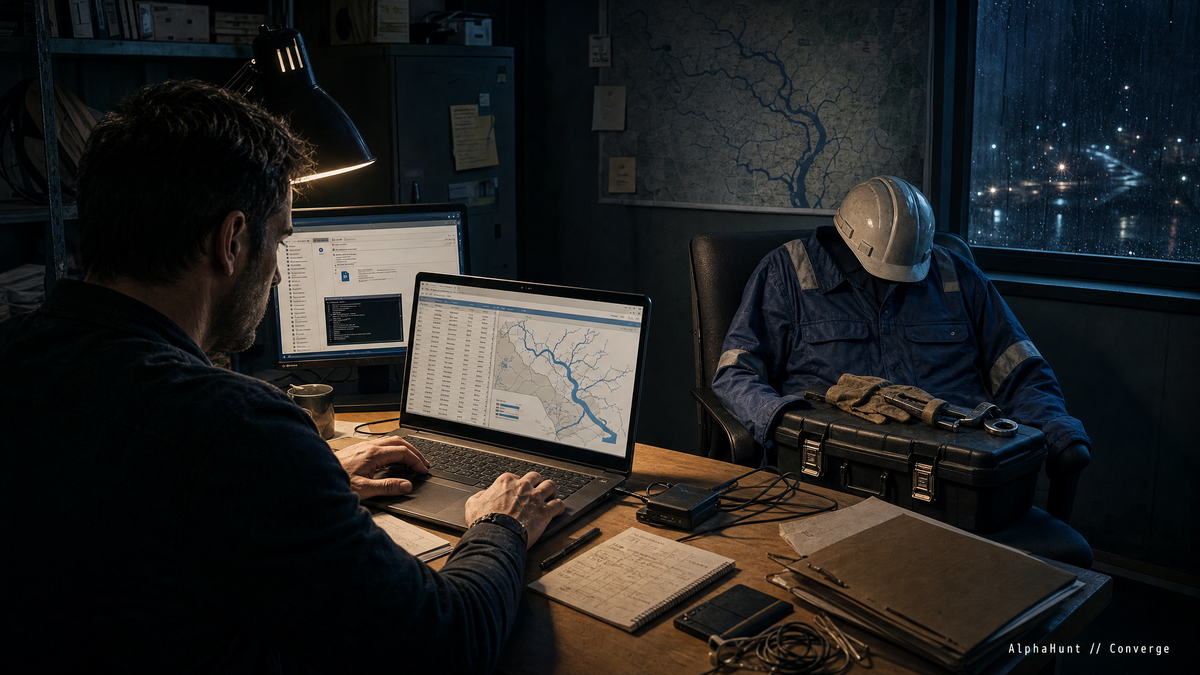
A regional espionage campaign can threaten water security without touching a pump. Research published October 14 exposes UAT-6275 activity against government institutions across Central Asia and the Commonwealth of Independent States, with resource-related targets and energy-themed decoys. The activity overlaps with Silent Lynx reporting; Talos also tracks it as UAT-6275 and Recorded Future as TAG-193. [1, 2]
The new information is visibility into earlier operations, not evidence that a campaign began this month. Talos covers activity observed from June 2025 through August 2026.
Our judgment: protect decision-relevant information and enterprise access now; watch for movement toward industrial systems without claiming it has happened. The reporting supports an espionage assessment. It does not establish theft of water-negotiation material, operational technology (OT) access, or preparations for sabotage.
The fast read
- Known: tailored delivery, enterprise malware, public-service staging, and persistent remote access. Talos identifies four different infection chains—not one universal document-to-PowerShell sequence.
- Plausible: ministries and resource-management bodies hold information valuable to negotiations, supply planning, and regional leverage. What the actor actually collected remains the decisive gap.
- Decision: add planning repositories and their owners to collection-risk priorities. Maintain OT protections; escalate on observed access or activity, not the sector name in a lure.
A water-use plan and a treatment-plant control room are both valuable. They are not interchangeable evidence.
One useful check before the next briefing
Ask the policy or resource-planning owner to identify one repository containing the organization's most consequential allocation model, supply forecast, or negotiating brief. Then ask security to demonstrate what its logs would show if a compromised user searched, downloaded, or shared that material.
If nobody can answer, that is a concrete collection-risk gap. You do not need to settle the actor's ultimate objective to close it.
For analysts, start with the payload's actual route into the host and the information the compromised identity could reach. For principals, assign ownership of the information and the evidence needed to assess its loss. Archive patching and enterprise containment are today's work—not an April project.
Below the tear, build a response model that separates a stolen negotiating position from operational access, assigns the next investigation, and avoids waiting for a complete attacker biography before acting.
Separate the information, the access, and the effect
The useful unit of analysis is not “an energy target.” It is a claim you can test: what information the actor sought, what access it obtained, and what it could do with that access.